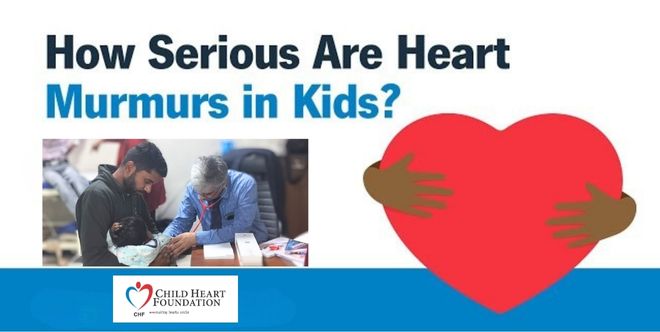
Understanding Heart Murmurs in Children: What Every Parent Needs to Know
Child Heart Foundation provides an overview of diagnosis and treatment of heart murmurs in pediatric casesLubb-dupp, lubb-dupp, lubb-dupp-this is the sound of a typical heartbeat. Heart murmurs, in contrast, sound like the whooshing of wind, like water rushing through a pipe. Caused by turbulent blood flow in the heart, murmurs are the extra noise heard between heartbeats. They can be caused when:The heart expands and fills with blood: diastolic murmurThe heart contracts: systolic murmurThroughout the heartbeat: continuous murmurHeart murmurs can present at birth (congenital) or form later in life. They are common in healthy infants, children, and adolescents. Most are benign; some can be pathologic. In the latter case, heart murmurs arise due to congenital heart defects (CHD) or acquired structural heart disease. Symptoms of pathologic heart murmurs can include:Poor feeding, eating, or weight gainShortness of breath or breathing fastSweatingChest painDizziness or fainting (syncope)Bluish skin, particularly of the lips and fingertipsCoughSwelling (edema) of the lower legs, ankles, feet, abdomen, liver, or neck veinsHow are heart murmurs diagnosed in a child?A healthcare provider will first take a history of your child's symptoms and health; this will be followed by a physical examination. During the exam, if the clinician hears abnormal heart sounds, they will refer you to a pediatric cardiologist. The cardiologist might order the following tests:Chest X-ray: an image of the heart and lungsElectrocardiogram (ECG): a record of the heart's electrical activityEchocardiography (echo): an ultrasound to look at the structure and function of the heart. This is the recommended diagnostic method for pathological murmurs.In most cases, benign murmurs do not indicate structural heart abnormalities, and thus do not require an echo test. However, the threshold for further investigation and referral to pediatric cardiologists is lower for neonates and young infants, given the high rates of CHD in these populations and the association between CHD and asymptomatic murmurs in young children.Treatment of heart murmursWhile a heart murmur diagnosis in your child may cause anxiety, most heart murmurs are benign and get resolved on their own. Treatment of pathologic heart murmurs will differ based on your child's symptoms, age, and overall health. If the murmur is caused by CHD, medication (e.g., blood thinners, beta blockers, water pills, and ACE inhibitors) or surgery (e.g., heart valve surgery) might be required to correct the structural heart defect. If the murmur is due to another condition, direct treatment of this underlying issue will usually lead to the heart murmur subsiding.With regular monitoring and early intervention, most children with heart murmurs go on to lead normal, healthy lives. It is with this goal in mind that Child Heart Foundation works to expand the pediatric cardiac infrastructure in India and increase access to specialized health services for every family. With the right care, your child's heart can continue to beat strong.SourcesDi Nardo, M., & Ho, P. (2012). Pediatric heart murmurs: A practical guide to diagnosis. PubMed Central (PMC). Retrieved from https://pmc.ncbi.nlm.nih.gov/articles/PMC3446116/Hopkins Medicine. (n.d.). Heart murmurs in children. Retrieved from https://www.hopkinsmedicine.org/health/conditions-and-diseases/heart-murmursKidsHealth. (n.d.). Heart murmurs in children. Retrieved from https://kidshealth.org/en/parents/murmurs.htmlLoder, E., & Kazzi, A. (2011). Heart murmurs in children. American Family Physician, 84(7), 793-801. Retrieved from https://www.aafp.org/pubs/afp/issues/2011/1001/p793.htmlMayo Clinic. (n.d.). Heart murmurs: Symptoms and causes. Mayo Clinic. Retrieved from https://www.mayoclinic.org/diseases-conditions/heart-murmurs/symptoms-causes/syc-20373171Sidiropoulos, C., et al. (2011). Pediatric heart murmurs: A systematic review. PubMed. Retrieved from https://pubmed.ncbi.nlm.nih.gov/22010618/Yip, G., et al. (2024). Cardiac murmurs in children. The Australian Journal of General Practice. Retrieved from https://www1.racgp.org.au/ajgp/2024/july/cardiac-murmurs-in-children
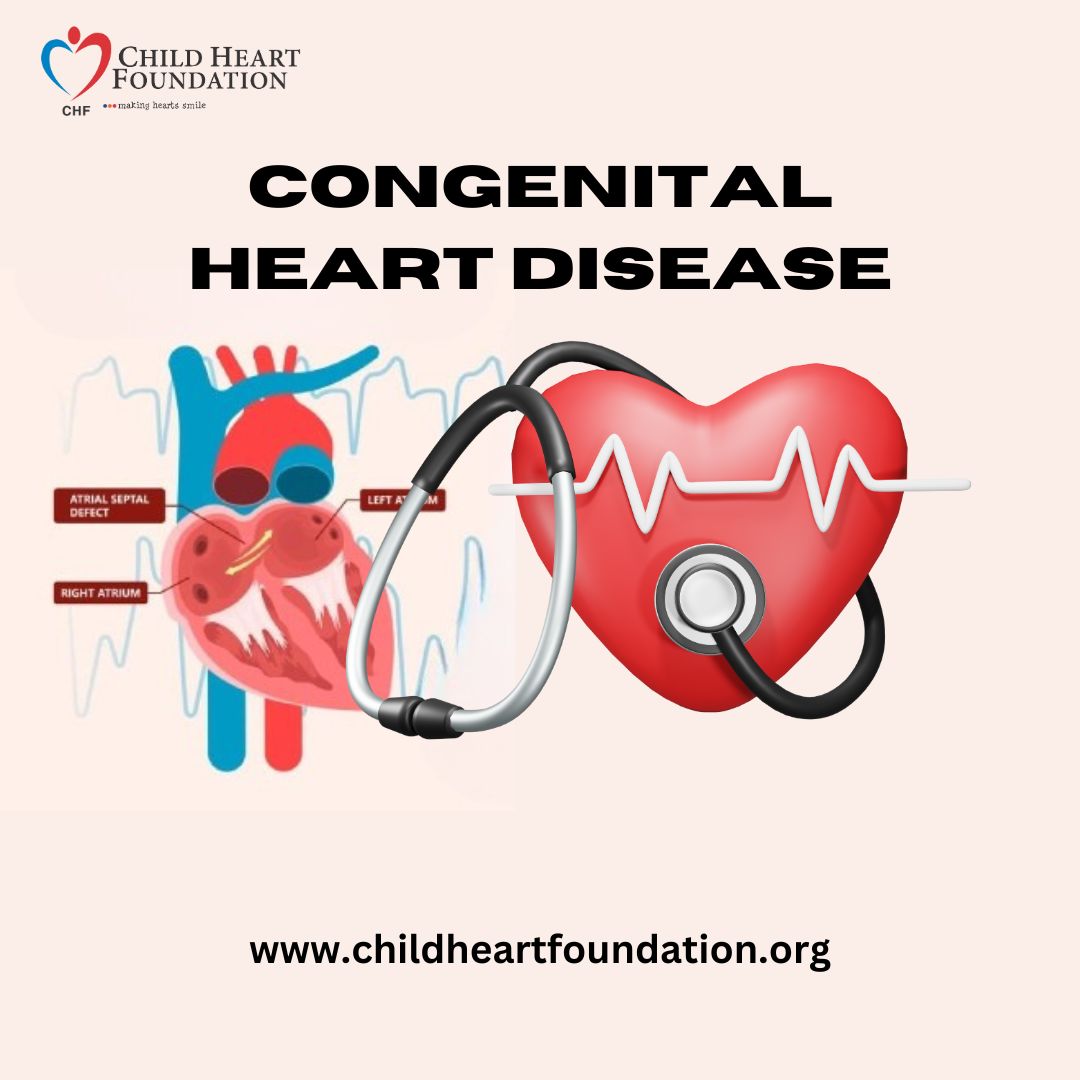
The Transitional Heart's Diagnosis and Treatment of Congenital Heart Disease from the Fetal to Neonatal Stages of Life
Congenital heart defects (CHD), the most common congenital anomaly, affects nearly one in hundred children in India and is the second-leading cause of infant deaths in low- and middle-income countries. For these reasons, Child Heart Foundation (CHF) is dedicated to improving prenatal diagnosis and management of fetal cardiac abnormalities. While some types of CHD can only be confirmed and treated after birth, many heart problems can be identified during pregnancy, offering a crucial window for early intervention and planning.The formation of the human heart is an intricate symphony of biological signals, cell migration, and the looping and fusing of heart tubes. With such complex machinery, errors are bound to occur during heart development; these include anatomical and functional issues or problems with the fetal heartbeat. Most common heart defects (e.g., holes between the heart chambers) can be corrected after birth. But certain abnormalities (e.g., narrowing of the valve) are challenging to fix post delivery. In such cases, treatment in utero by maternal administration of drugs or, in rare cases, fetal intervention to prevent abnormal development of pumping chambers can yield maximal chances of survival.Fetal echocardiography helps repair little heartsKnowing about a heart problem before birth can enable more effective postnatal care management and help drive optimal long-term health outcomes for children with CHD. Today, with the use of fetal echocardiography many heart malformations can be diagnosed during pregnancy. A routine fetal ultrasound can reveal signs of potential heart defects. This examination may be followed up with a fetal echo around 18-22 weeks of pregnancy to get a more detailed image of the baby's heart. Following a diagnostic evaluation, healthcare providers and families can assess risk factors and adjust the birth plan accordingly.A proactive approach to prenatal and postnatal cardiac careTreatment options for CHD differ based on type and severity as well as occurrence of non-cardiac anomalies. In minor cases where there is no physiological instability medical intervention may be unnecessary. With more complicated cardiac dysfunction, treatment or surgery may be required. For rhythm disturbances, for instance, medication that passes through the placental barrier may be prescribed to the pregnant mother to reduce inflammation and regulate the fetal heartbeat. In cases of an obstructed outlet valve, a balloon catheter may be used to dilate or enlarge the valve. This procedure, using Fetal Image-Guided Surgery, is conducted by placing the catheter into the fetal heart through the mother's abdominal or uterine wall.While postnatal instability can be reduced in most newborns with CHD, vulnerable populations with more severe heart conditions can experience high rates of hemodynamic compromise (impaired blood flow) beginning in the delivery room itself. In these situations, risk stratification is essential. A risk-based model can help determine delivery timing and location (e.g., at specialized fetal centers) and appropriate resuscitation and stabilization, including immediate postnatal surgery if required. CHD treatment might include:Nonsurgical procedures using a closing deviceOxygen therapy, which provides higher levels of oxygen than ambient airProstaglandin E1, which relaxes smooth heart muscle and keeps the ductus arteriosus (a blood vessel that normally closes after birth) open, thereby providing circulationSurgery to open up or redirect blood flowPositioning, drying, and stimulation to facilitate ventilation and perfusion (the passage of fluid)Intubation with mechanical ventilation using sedation and neuromuscular blockadeGiven advances in fetal surveillance and CHD treatment, the prognosis for neonatal cardiac issues is very positive 90% of children with heart defects survive into adulthood and lead productive, fulfilling lives. At CHF, we are committed to ensuring every family has access to the support, guidance, and resources they need to make informed decisions about their children's health. Together, we can make sure every child has a healthy heart!If you or someone you know has concerns about fetal cardiac health and CHD in newborns and infants, don't hesitate to reach out. Early detection and planning can make all the difference.SourcesArshad, S., et al. (2019). Prenatal detection of congenital heart disease: A review of imaging modalities and diagnostic techniques. PMC National Library of Medicine. Retrieved from https://pmc.ncbi.nlm.nih.gov/articles/PMC7078965/Aster Hospitals. (n.d.). Difference between anomaly scan and fetal echo. Retrieved from https://www.asterhospitals.in/blogs-events-news/aster-women-children-bangalore/difference-between-anomaly-scan-and-fetal-echoCalkins, H., & Choi, M. (2023). The transitional heart: From early embryonic and fetal development to postnatal circulation. Fetal Developmental Topics, 47(5), 373–385. Retrieved from https://karger.com/fdt/article/47/5/373/136983/The-Transitional-Heart-From-Early- Embryonic-andCleveland Clinic. (n.d.). Congenital heart disease: Management and treatment. Retrieved from https://my.clevelandclinic.org/health/diseases/21674-congenital-heart-disease#management-and-treatmentHealthline. (2021). Fetal echocardiography: What it is and why it's done. Retrieved from https://www.healthline.com/health/fetal-echocardiographyJohns Hopkins Medicine. (2023, November 16). High-risk neonatal cardiac deliveries clinical pathway. Retrieved from https://www.hopkinsmedicine.org/-/media/files/allchildrens/clinical-pathways/high-risk-neonatal-cardiac-deliveries-clinical-pathway-11_16_23.pdfMayo Clinic. (n.d.). Congenital heart defects in children: Diagnosis and treatment. Retrieved from https://www.mayoclinic.org/diseases-conditions/congenital-heart-defects-children/diagnosis-treatment/drc-20350080McLennan, C. (2021). Congenital heart disease in the fetus: Diagnosis and management. Pediatric Development, 33(5), 374-384. Retrieved from https://obgyn.onlinelibrary.wiley.com/doi/10.1002/pd.6617National Health Service (NHS). (n.d.). Congenital heart disease: Diagnosis. Retrieved from https://www.nhs.uk/conditions/congenital-heart-disease/diagnosis/Orvin, J. A., et al. (2020). Cardiovascular evaluation of newborns with congenital heart defects: Prenatal detection and postnatal management. PMC National Library of Medicine. Retrieved from https://pmc.ncbi.nlm.nih.gov/articles/PMC8429868/University of California, San Francisco (UCSF). (n.d.). Congenital heart disease in the fetus: Diagnosis and management. Retrieved from https://fetus.ucsf.edu/congenital-heart-disease/UpToDate. (n.d.). Congenital heart disease: Prenatal screening, diagnosis, and management. Retrieved from https://www.uptodate.com/contents/congenital-heart-disease-prenatal-screening-diagnosis-and-managementStanford Children's Health. (n.d.). Fetal echocardiography. Retrieved from https://www.stanfordchildrens.org/en/topic/default?id=fetal-echocardiography-90-P01789
Common heart conditions in children
Heart conditions in children are medical disorders that affect the structure or function of the heart. These conditions can range from congenital heart defects (CHDs), present at birth, to acquired heart diseases that develop after birth due to infections, inflammation, or other causes. While some heart conditions are mild and resolve without significant intervention, others may require lifelong management, specialized treatments, or surgical correction.Types of Heart Conditions1. Congenital Heart Defects (CHDs)CHDs are the most common type of heart problem in children, occurring in about 1% of live births.Types of CHDsCyanotic Defects (cause oxygen-poor blood to circulate):Tetralogy of Fallot (TOF): Leads to cyanosis (bluish skin) due to insufficient oxygenated blood reaching the body.Transposition of the Great Arteries (TGA): The aorta and pulmonary artery are swapped, resulting in severe oxygenation issues.Truncus Arteriosus: A single large blood vessel instead of two separate vessels to the lungs and body.Acyanotic Defects (do not cause significant cyanosis initially):Atrial Septal Defect (ASD): May lead to right heart enlargement over time if untreated.Ventricular Septal Defect (VSD): Can cause heart failure or pulmonary hypertension if the hole is large.Patent Ductus Arteriosus (PDA): Can lead to heart strain and increased blood flow to the lungs.Coarctation of the Aorta: Causes high blood pressure before the narrowing and poor blood flow after it.Pulmonary or Aortic Valve Stenosis: Narrowing of valves that obstructs blood flow.CausesGenetic factors (e.g., Down syndrome, Turner syndrome).Maternal infections during pregnancy (e.g., rubella).Environmental factors (e.g., exposure to alcohol, certain medications, or smoking during pregnancy).SymptomsDifficulty breathing or fast breathing.Poor feeding or slow weight gain.Fatigue or difficulty keeping up with physical activities.Heart murmurs (abnormal heart sounds).Swelling in the legs, abdomen, or around the eyes (edema).TreatmentMedications: Diuretics, ACE inhibitors, or beta-blockers to manage symptoms.Catheterization Procedures: Minimally invasive techniques to repair defects.Surgery: Open-heart surgery may be required for complex defects.Heart Transplant: In rare, severe cases.2. Acquired Heart ConditionsThese develop after birth, often due to infections or systemic diseases.Rheumatic Heart DiseaseCaused by rheumatic fever (a complication of untreated Group A streptococcal infections).Damages heart valves, leading to valve stenosis or regurgitation.Symptoms: Fever, joint pain, heart murmur, and fatigue.Treatment: Antibiotics, anti-inflammatory medications, and sometimes valve repair or replacement.Kawasaki DiseaseAffects children under 5 years, causing inflammation of blood vessels.Complications: Coronary artery aneurysms.Symptoms: High fever, rash, swollen lymph nodes, red eyes, and cracked lips.Treatment: High-dose aspirin and intravenous immunoglobulin (IVIG).MyocarditisInflammation of the heart muscle, often viral in origin.Symptoms: Chest pain, fatigue, rapid breathing, or fainting.Treatment: Supportive care, antiviral drugs, or immunosuppressive therapy if severe.EndocarditisInfection of the heart valves or lining.More common in children with existing heart defects.Symptoms: Fever, fatigue, weight loss, and heart murmur.Treatment: Prolonged antibiotics or surgery if necessary.3. Arrhythmias (Irregular Heartbeats)Abnormal heart rhythms may be present in some children.Types of Arrhythmias:Supraventricular Tachycardia (SVT): Fast heartbeat that starts in the upper chambers.Bradycardia: Unusually slow heart rate.Long QT Syndrome: A genetic condition affecting heart rhythm.Symptoms:Palpitations.Dizziness or fainting.Fatigue.Treatment:Medications to regulate heart rate.Ablation procedures or pacemaker implantation.4. CardiomyopathiesThese are diseases of the heart muscle, leading to heart dysfunction.Dilated Cardiomyopathy: Enlarged and weakened heart chambers.Hypertrophic Cardiomyopathy: Thickened heart muscle, often genetic.Restrictive Cardiomyopathy: Stiff heart muscle restricting filling.Symptoms:Fatigue, breathlessness, fainting, or swelling.Treatment:Medications, lifestyle changes, or in severe cases, heart transplantation.Diagnostic MethodsPhysical Examination:Listening for heart murmurs or abnormal sounds.Echocardiography (ECHO):Uses ultrasound to visualize heart structures and blood flow.Electrocardiogram (ECG):Measures electrical activity of the heart.Chest X-ray:Checks for heart enlargement or fluid buildup in the lungs.Cardiac MRI:Provides detailed images of heart anatomy.Cardiac Catheterization:Evaluates blood flow and pressure inside the heart.Prognosis and Follow-upMany children with heart conditions live healthy lives with proper treatment and monitoring. Regular follow-ups with a pediatric cardiologist are crucial to manage complications and adjust treatments as the child grows.
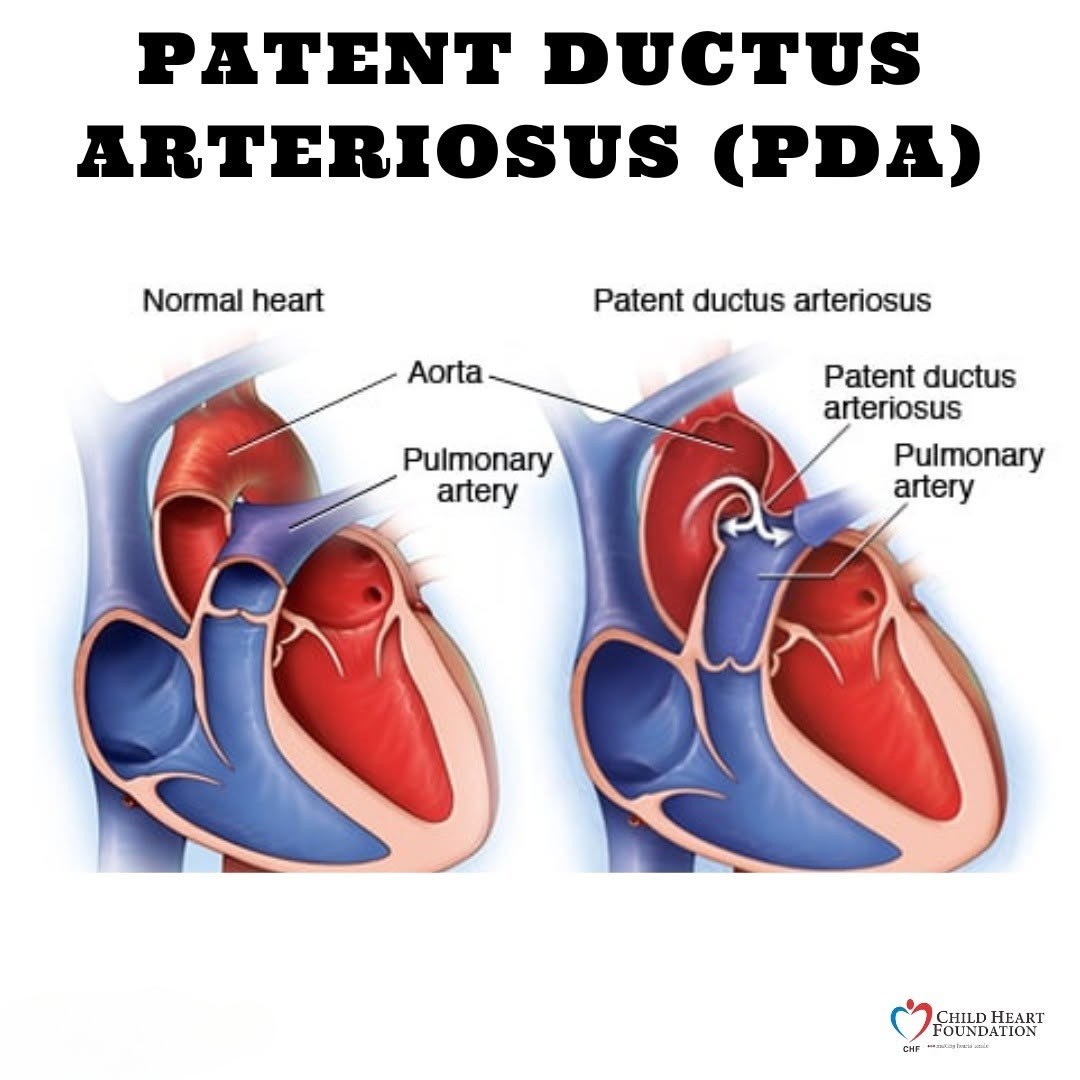
Heart connections : Modern Breakthroughs in treating Patent Ductus Arteriosus (PDA)
Patent ductus arteriosus (PDA) is a heart condition where a small blood vessel, the ductusarteriosus, fails to close after birth, leading to abnormal blood flow between the main heartartery (aorta) and primary lung artery (pulmonary artery). This condition is more common inpremature infants but can also affect full-term babies. If left untreated, Patent ductusarteriosus can lead to problems like:â— Heart failureâ— Endocarditis (inflammation and infection of the lining of the heart)â— Pulmonary Edema(fluid in the lungs)â— Pulmonary Hypertension( high blood pressure in the blood vessels of the lungs)Fortunately, there are several treatment options to address PDA, ranging from medication tosurgical intervention.The Child Heart Foundation is a non-governmental organisation that provides assistance toinfants who are born with congenital heart problems like patent ductus arteriosus (PDA),ventricular septal defects (VSD) and other ethical medical conundrums. These conditionscall for early detection, targeted therapies and prolonged treatment all of which is demandingfinancially and emotionally for families affected. The aim of CHF is to ease such stresses byproviding a great number of activities which enhance the life and health of the childrensuffering from this complexity, particularly the disadvantaged.The treatment includes:1. Observation and Monitoring:In some cases, especially in small PDAs, doctors recommend close observation. SomePDAs resolve on their own, particularly in younger gestational age patients.Regular monitoring through echocardiograms and physical examinations are performed toascertain the need for other measures.2. Medication:Medications like ibuprofen or indomethacin can encourage PDA closure in preterm infants byreducing the levels of prostaglandins, which keep the ductus arteriosus open. These drugsare usually effective in infants born prematurely, although they may be less effective in olderor full-term infants.3. Cardiac Catheterization :If the PDA does not close on its own or with medication, catheter-based closure is the mostcommon, minimally invasive approach for the treatment of PDA.A paediatric interventional cardiologist makes a tiny incision near a large blood vessel in theleg . A small device, typically a coil or an occluder, is inserted through a catheter (a thin tube)into the ductus to seal it. This procedure is effective and has a quick recovery time, oftensuitable for children and adults with larger PDAs.4. Patent Ductus Arteriosus Surgery:In cases where other treatments are unsuitable or unsuccessful, surgery may be necessary.This procedure, called PDA is done by a paediatric heart surgeon who makes an incision inthe chest and then closes the PDA by stitching or clipping it. Although more invasive, it ishighly effective and typically has good outcomes.Early diagnosis and appropriate treatment of PDA are essential for preventing complications.Treatment options depend on the patient's age, PDA size, and overall health. Consultingwith a paediatric cardiologist is crucial to determine the best approach for each individualcase. With advanced treatments available, PDA can be effectively managed, allowing mostpatients to lead healthy lives.Most children who have undergone surgical procedures need prolonged follow-up care andspecialised management in order to assess their cardiac health and growth. The Child HeartFoundation helps families with post-operative care resources, including nutrition andexercise management, regular medical check-ups, to help ensure that these childrencontinue to grow as they age.
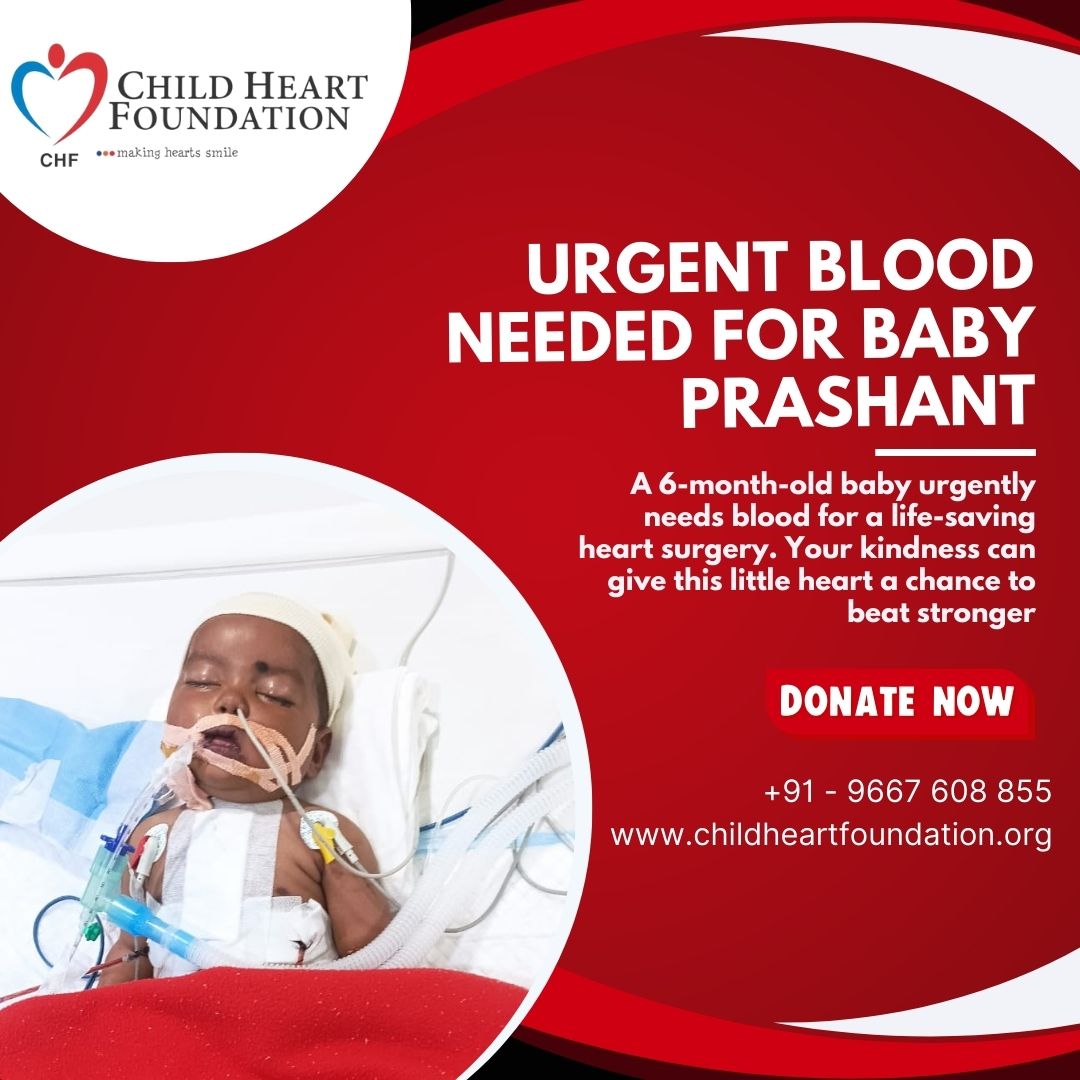
Urgent Help Needed: Baby Prashant's Fight for Life
Meet Prashant, a 6-month-old baby from a small village in Himachal Pradesh. Prashant's story is one of love, hope, and a family's unwavering fight against adversity. He lives with his parents and two elder siblings in a modest household. His father, a street vendor, is the only earning member of the family, bringing home around ₹10,000 per month to support the family.At just 4 months old, Prashant began showing signs of cold and cough. Concerned, his parents took him to the hospital, where they were devastated to learn that their baby boy was suffering from a congenital heart disease. The diagnosis was a harsh reality for a family already living in challenging conditions. With Prashant's heart condition worsening, the doctors have advised urgent heart surgery to save his life.However, there's a significant hurdle standing between Prashant and the surgery he so desperately needs blood. The surgery cannot proceed without a safe supply of blood, and Prashant's family is struggling to find the resources required for this crucial part of the procedure.The financial situation of the family makes this even more difficult. Prashant's father is working tirelessly as a street vendor, but the low monthly income leaves little room for medical expenses. The family is reaching out for support, knowing that every drop of blood and every ounce of kindness could make the difference between life and death for their baby boy.How You Can HelpBlood Donation: Prashant urgently requires blood to undergo surgery. Your donation could save his life. If you're in the area and able to donate, please consider doing so. Your contribution could give Prashant the chance to live a healthy life.Financial Support: The family also needs assistance with medical expenses. Any financial help, no matter how small, can make a huge impact on Prashant's treatment and care.Contact Information for Donation:📅 Blood Donation Needed: ASAP📠Location: Child Heart Foundation📞 Contact Person for Blood Donation: 9667 608 855, 9773 744 848Please help us spread the word and provide support to Prashant and his family during this incredibly difficult time. Together, we can make a difference and give this little one the chance to grow up healthy and strong.Thank you for your compassion and generosity.
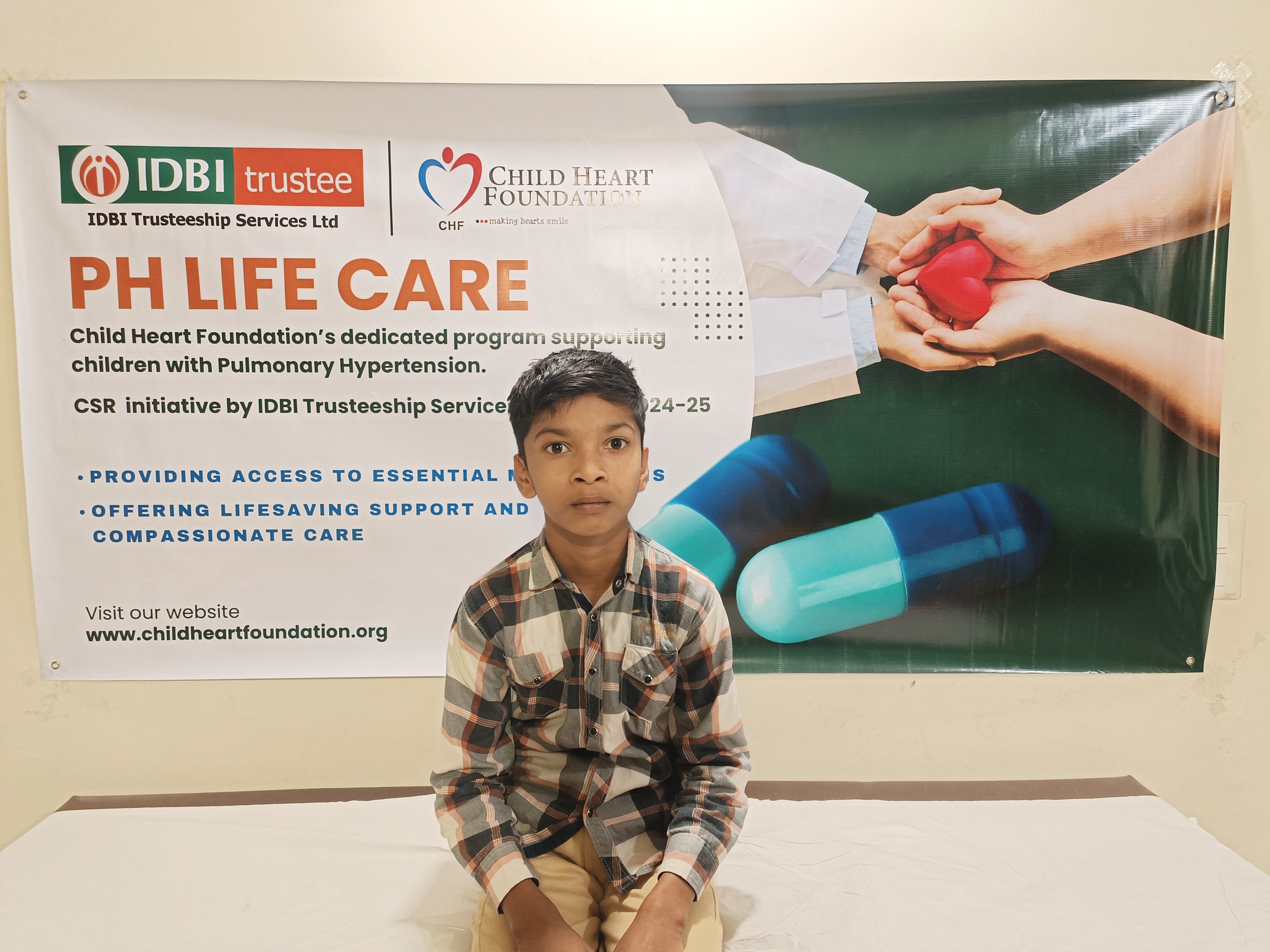
Understanding Pulmonary Hypertension: Bridging the gap by providing support & Solution to Children
With the development in medical science, people are aware of the problems associated with various heart diseases, especially children. The condition known as Pulmonary Hypertension (PH) is often overlooked but can have serious consequences.Pulmonary Hypertension is a serious condition characterized by high blood pressure in the pulmonary arteries, which carry blood from the heart to the lungs. This elevated pressure can lead to various complications, including heart failure. In children, PH can be caused by congenital heart defects, lung diseases, or may arise without any identifiable cause (idiopathic).Symptoms of Pulmonary Hypertension are crucial for timely intervention:-Shortness of breath: This may occur during physical activity or even at rest in advanced cases.Fatigue: Children may tire more easily than their peers.Chest pain: Discomfort or pain in the chest can be a concerning sign.Rapid heartbeat: A noticeable increase in heart rate can occur as the heart works harder to pump blood.Swelling: This can manifest in the legs, ankles, or abdomen due to fluid retention.Children from economically disadvantaged families can receive free treatment from CHF. Our belief is that every child deserves a quality life, and we make an effort to prevent financial limitations from obstructing their access to care.The objective of our organisation is to ensure that families can pay for medical expenses, which will enable them to focus on their child's recovery.In addition to other medical institutions, the Child Heart Foundation partners with a network of hospitals and healthcare facilities throughout India that offer paediatric cardiology services. Several of our hospital referrals from Safdarjung Hospital, Lok Nayak Hospital, Sanjay Gandhi Memorial Hospital etc, are highly respected institutions, providing families with access to the latest healthcare resources.CHF presently endorses services in several significant places, such as:Delhi/NCRSiliguri (West Bengal)Jalandhar (Punjab)Guwahati (Assam)The treatment for Pulmonary Hypertension typically involves a multi-faceted approach, which may include medications, oxygen therapy, and in some cases, surgical interventions. The cost of treatment can vary widely depending on the severity of the condition and the chosen treatment plan.In India, the approximate cost for managing Pulmonary Hypertension can range from ₹1 lakh to ₹5 lakhs annually, depending on the type of medication and treatment required. This financial burden can be overwhelming for many families, especially those from underprivileged backgrounds.It is important to identify and promptly treat Pulmonary Hypertension as a serious condition. Families are being supported by the Child Heart Foundation to navigate through this trying time. Our mission is to assist those suffering from heart disease by providing free medical care to disadvantaged children and financial assistance to others. We are here to help if you or someone you know has Pulmonary Hypertension. Call today!
Stay Connected
Stay connected for updates, insights, and exciting news delivered directly to you.